Home Inspection in Nepean
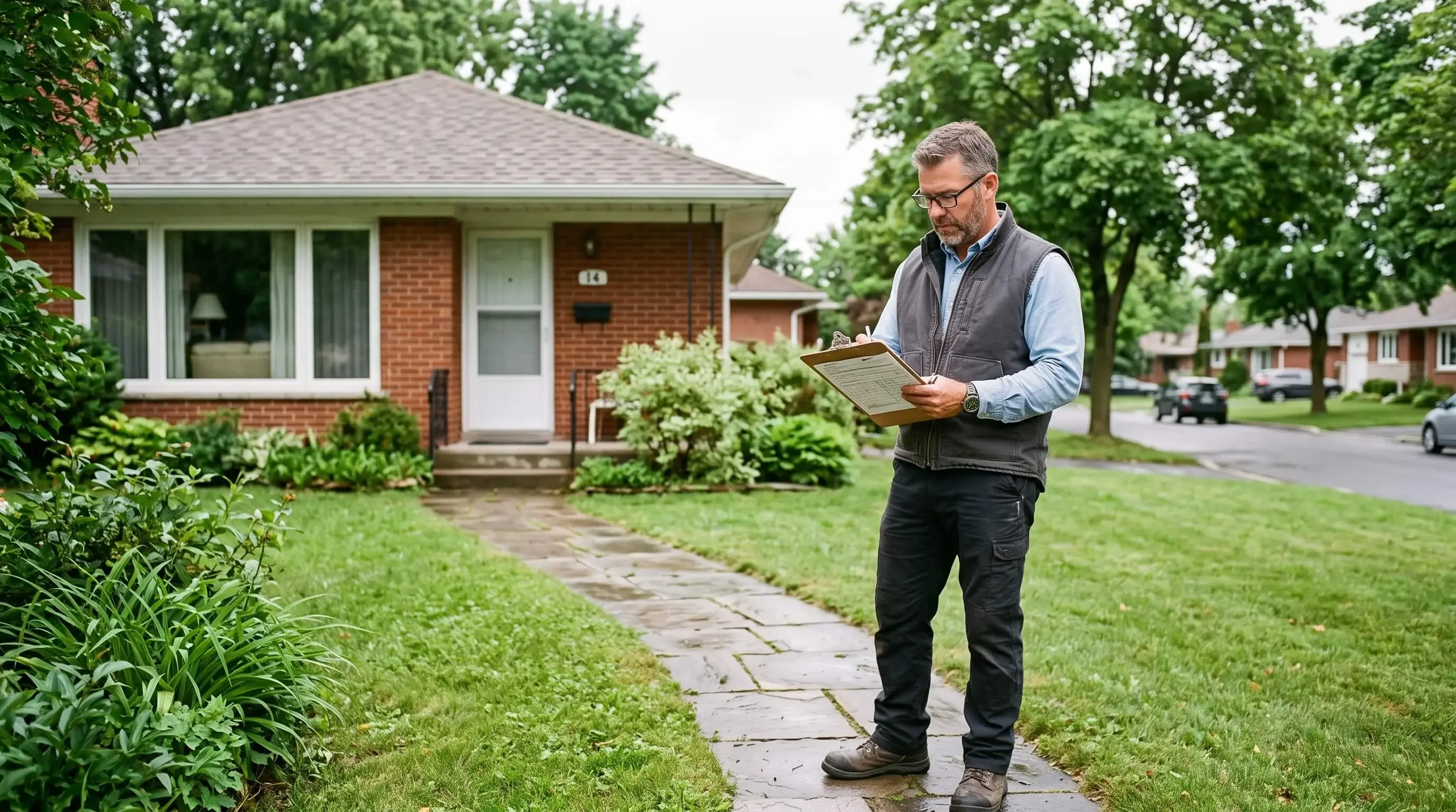
Property Inspection Network inspects homes across Nepean — City View, Bells Corners, Parkwood Hills, Craig Henry, Centrepointe, Arlington Woods and the Merivale corridor. Our inspectors are licensed through Professional Engineers Ontario and work to the OAHI Standards of Practice.
Nepean is Ottawa's established postwar suburb. Much of what we inspect here was built between 1950 and 1985 — solidly constructed, on generous lots, with mature trees — and carrying a specific set of age-related issues that a buyer should understand before closing rather than after.
Three Things We Look For in Nepean Homes
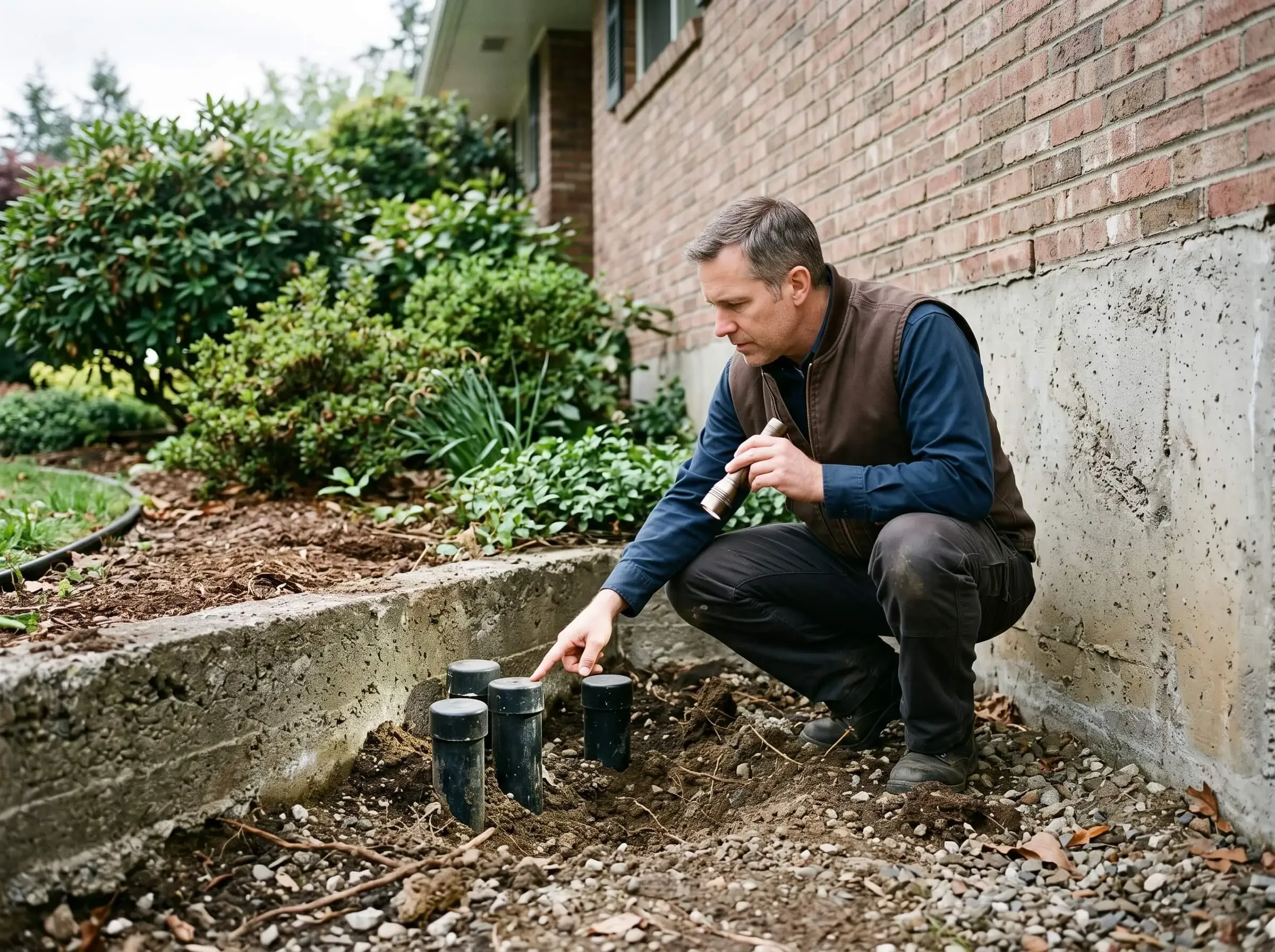
Buried oil tanks
Before natural gas service reached the outer suburbs, oil heating was standard across Nepean, and Bells Corners in particular. Many homes converted to gas decades ago. Not all of them removed the tank.
An abandoned underground storage tank is a genuine liability. If it leaks, remediation of contaminated soil is expensive, and the obligation follows the property owner — meaning you, after closing. Insurers and lenders also ask about them. We look for the evidence: capped or cut fill and vent pipes, abandoned supply lines entering the basement, disused tank supports, and disturbed ground in the expected locations. Where indicators are present, we say so clearly and recommend the appropriate next step before you remove your conditions.
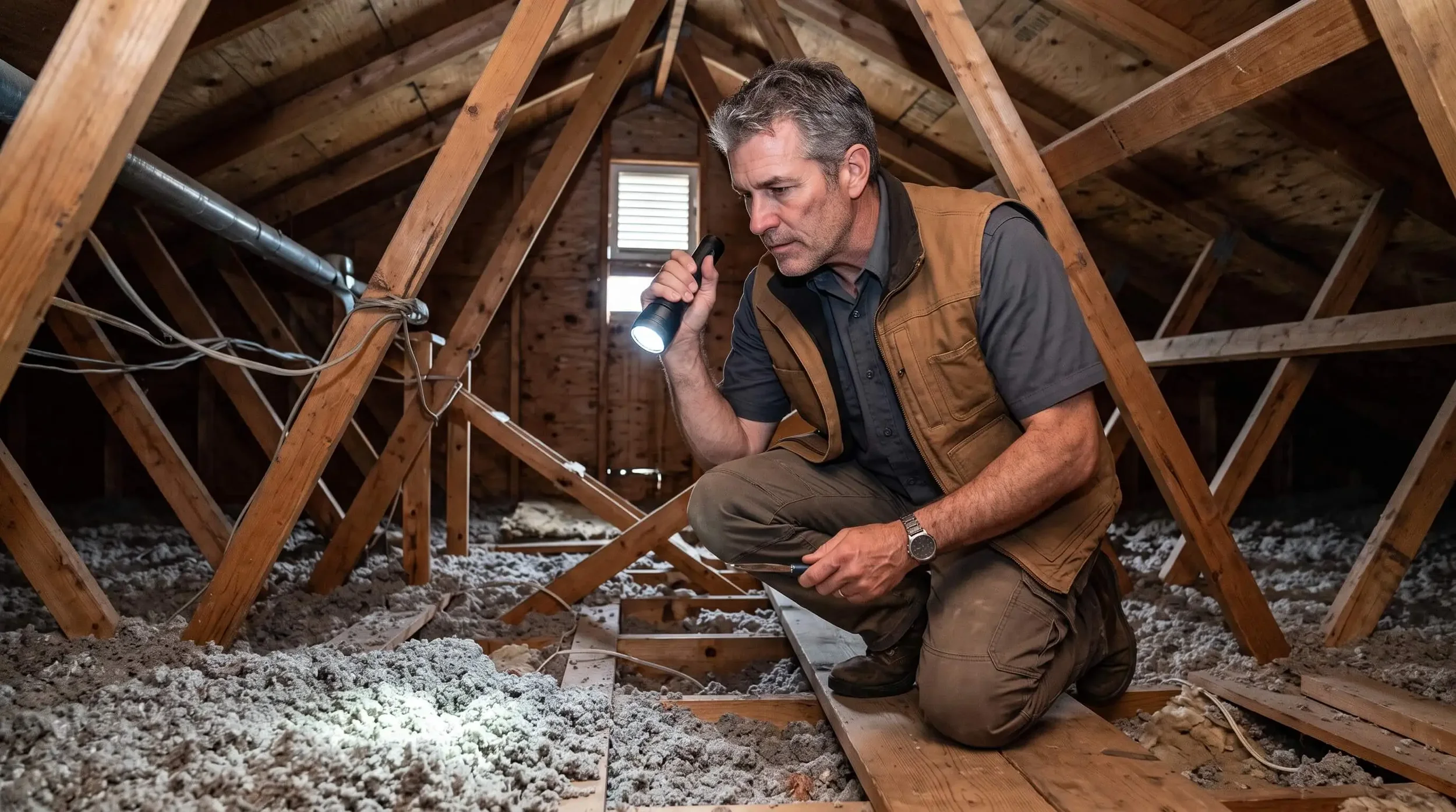
Vermiculite attic insulation
Loose, pebble-like grey-brown insulation in a Nepean attic warrants attention. A large share of vermiculite insulation sold in Canada was Zonolite, sourced from a mine in Libby, Montana that was contaminated with asbestos. It is impossible to determine asbestos content by looking at it — that requires laboratory analysis of a sample.
Left undisturbed and properly sealed off from the living space, vermiculite is generally not an immediate hazard. It becomes one during renovation, wiring work, or any activity that disturbs the attic. We identify it, explain what it means for future work in the house, and outline what testing involves.
Electrical panels at end of life
Nepean homes of this era frequently still carry 60-amp service, which is inadequate for modern loads and often unacceptable to insurers. We also find Federal Pacific Stab-Lok and Zinsco panels, both of which have documented histories of breakers failing to trip under fault conditions. Fuse panels remain in service in some homes. Each of these is an identified concern in our reports, with a plain explanation of why it matters.
Other Age-Related Items in Nepean Housing Stock
Original cast iron drain stacks
Corrosion and scaling at fifty-plus years, with failures typically inside walls
Galvanized steel supply piping
Internal corrosion progressively restricting flow
Aluminum branch wiring
In homes built roughly 1965–1978, with the insurance implications that carries
Original windows
At or past end of service life, with associated condensation and air leakage
Attic ventilation
That was adequate to 1960s expectations and is not to current ones
Asbestos-containing materials
Beyond vermiculite — in duct wrap, floor tile and pipe insulation of the era
What Your Nepean Inspection Covers
Structure and foundation
Walls, slab, framing, movement and moisture evidence
Electrical
Panel type, capacity and condition; branch wiring type identified; protective devices
Heating and cooling
Furnace, air conditioning, evidence of prior oil heating and conversion
Plumbing
Supply and drainage piping materials identified, water heater, pressure and flow
Roof
Shingles, flashing, ventilation, ice damming; drone inspection for steep or high roofs
Exterior
Cladding, grading, drainage, decks, garage, indicators of buried oil tanks
Insulation and ventilation
Attic insulation type identified, depth, coverage and exhaust termination
Interior
Windows, doors, finishes, with thermal imaging on accessible surfaces
Other Services Requested in Nepean
WETT Inspection
For wood stoves, fireplaces and inserts, common in Nepean homes of this era and frequently required by insurers.
Pre-Listing Inspection
Nepean sells to buyers who bring thorough inspectors. Knowing what they'll find, before they find it, keeps you in control of the negotiation.
Areas We Serve







Neighborhoods We Serve
Recreation & Activities
Explore some of the parks, attractions and local destinations that make the communities we serve great places to live.
Nepean Home Inspection FAQ
How do I find out whether there's a buried oil tank on the property?
An inspection identifies the visible indicators — capped fill and vent pipes, abandoned supply lines at the foundation, tank supports, disturbed ground. Confirming the presence or absence of a buried tank definitively requires a subsurface scan by a specialist, which is a separate service. Our role is to tell you honestly whether the evidence warrants one before you remove your conditions.
There's vermiculite in the attic. Is that a deal breaker?
Generally not, but it does need to be understood rather than ignored. Undisturbed and sealed from the living space it presents low risk. The practical consequence is on future work: any renovation, rewiring or insulation upgrade involving that attic becomes more complicated and more expensive. We identify it and explain what laboratory testing involves so you can price the implications properly.
My inspection found a 60-amp service. What does that mean in practice?
It means the electrical service is undersized for modern demand and likely to be a condition of your insurance policy. Upgrading to 100 or 200 amps is routine work, but it isn't trivial in cost. Better to know before closing than after.